gadget
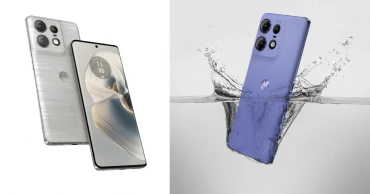
Motorola Edge 50 Pro Review: A Competent Mid-Range Smartphone
The Pro lineup from Motorola has been their flagship for quite a few years. Motorola released the Edge 40 Pro last year and the Edge 30 Pro the year before as premium top-of-the-line flagship devices. But this year, the Edge 50 Pro takes an in-between route between a mid-ranger and flagship with the Ultra taking the top spot. The Edge 50 Pro was launched on 8th April 2024 globally as a toned-down version of the Ultra. But as things stand, it might be a better deal than the Ultra for its price. Let’s find out why.
Key Specs of Motorola Edge 50 Pro
Design and Build Quality
Motorola seems to have shifted its priorities on the Edge lineup from being a performance-driven device to a more lifestyle and experience-oriented approach. The Pantone color collaboration, back materials, and AI integration all suggest a shift to a statement piece rather than a performance brick.
The dimensions of the Edge 50 Pro come in at 161.2 mm by 72.4 mm by 8.2 mm with 186 g weight. The aluminum frame adds rigidity to the curving design. However, the back glass has been replaced with eco-leather (polymer) on the 50 Pro.
Read more: Oukitel RT8 Review: Rugged Tablet with Long Battery Life
Ports and buttons are all in their usual space with no external card slot or headphone jack. There are several color choices like Luxe Lavender, Black Beauty, Moonlight Pearl, and Vanilla Cream all thanks to the Pantone collaboration. The 50 Pro is also IP68 water and dust-resistant for worry-free use in any situation.
The Display
The display on the Edge 50 Pro is a 6.7-inch P-OLED panel with 1B colors, 144Hz refresh rate, HDR10+, and 2000 nits of peak brightness.
The resolution on the panel comes in at 1220 by 2712 pixels resolution with 446 ppi density. It’s an upgrade over the FHD+ resolution on the Edge 40 Pro.
Read more: Xiaomi Civi 4 Pro Review: A Camera-focused Smartphone with Flagship-level Specs
The near-edge-to-edge curved panel boasts a 93.8% screen-to-body ratio. Additionally, the display is SGS Low Blue Light, SGS Low Motion Blur, Pantone color & Pantone Skintone certified.
In use, the colors look sharp and vivid with a natural feel. The viewing angles are excellent with great visibility outdoors. It’s a pretty well-rounded display that can easily be considered on par with the Ultra model.
The Camera
There’s a triple-sensor camera system on the Edge 50 Pro. The main sensor is a 50 MP, f/1.4, 25mm wide-angle shooter with PDAF and OIS. The other two sensors are a 10 MP, f/2.0, 67mm telephoto lens and a 13 MP, f/2.2, 120˚, 16mm ultrawide shooter. The front camera is a 50 MP, f/1.9, 21mm shooter.
Read more: Top Home Skincare Devices in Bangladesh: Transform Your Beauty Routine
The camera system can be considered a bit of a downgrade as the 40 Pro came with a 50 MP ultrawide sensor.
In terms of camera performance, the main sensor does an excellent job of capturing details and contrast. Again, the Pantone profile is fully on display here as the colors look vivid and natural. The super-wide aperture of the main sensor also allows for a natural bokeh on the subject background which blends in nicely with the image. The performance was more or less the same with the ultrawide, telephoto as well as the front camera.
The night photography is also on par with the daytime. The exposure, saturation, and white balance along with the dynamic range were very much flagship-worthy in terms of performance.
Read more: Havit M9030 Pro Review: A Competent Mid-range Smartwatch
The videography on the 50 Pro goes up to 4K at 30fps, and 1080P at 30/60/120fps with 10-bit codec and HDR10+ support.
Processor and Performance
The processor on the 50 Pro is Qualcomm SM7550-AB Snapdragon 7 Gen 3 based on a 4 Nm architecture. It has a chip design of 1x2.63 GHz Cortex-A715 & 4x2.4 GHz Cortex-A715 & 3x1.8 GHz Cortex-A510 with Adreno 720 GPU.
The processor also takes a hit in terms of performance as last year’s Edge 40 Pro came with the flagship 8 Gen 2 processor. Another drawback is in the storage type as the 50 Pro features UFS 2.2 whereas the 40 Pro comes with UFS 4.0 technology.
Read more: realme GT 6 5G Review: Is It a Flagship Killer?
Games like PUBG, COD, Genshin Impact, and Asphalt 9 ran without any hiccups. However, it doesn’t compare with the last generation's performance as it lacks a flagship processor. In its class, the 50 Pro outperforms the alternatives like the Samsung Galaxy A55.
Benchmark
Geekbench 6: 1143 (single core); 3083 (multi core)
Antutu 10: 842798
3D Mark Wildlife: 5399
In terms of benchmark scores, the Edge 50 Pro outperforms similar devices with the 7 Gen 3 processor. However, it grossly falls short of the 8 Gen series processors.
Read more: CCTV Camera Buying Guide and Price Ranges in Bangladesh in 2024
Software
The Edge 50 Pro is running on Android 14 with a custom Hello UI (An homage to the iconic Hello Moto! tagline). The UI itself looks more like an AOSP version with some minor in-house tweaks. There is some bloatware but they are neatly arranged on a dedicated shelf. The Moto app also has some useful features like Ready For to easily connect the device to the PC.
Motorola has also committed to 3 years of major software updates and 4 years of security patches.
Battery and Charge Time
The battery on the Edge 50 Pro is 4500 mAh. Motorola has included a 125 W wired TurboPower™charging system on the device. It can take the device to 100% in 18 minutes. There’s also 50 W wireless and 10 W reverse wireless charging available on the device.
Read more: Xiaomi Redmi 13 Review: Does It Carry the Predecessor’s Legacy?
Pros and Cons of Motorola Edge 50 Pro
Pros
- Attractive color option with Pantone collaboration - Vibrant display with high refresh rate and brightness- Sleek design with an ultra-slim profile - Eco-leather finish - Stereo speakers with Snapdragon sound- Fast charging with wireless and reverse charging support- Great camera system - Clean and responsive UI - 4 years of major OS update- IP68 water resistance.
Cons
- The device heats up during charging - Image processing takes a bit of time - Smaller 4500 mAh battery.
Read more: Samsung Galaxy A15 4G Review: An Efficient Budget-friendly Smartphone
Price of Motorola Edge 50 Pro
The Edge 50 Pro is available in two storage options, 8/256 GB and 12/256 GB. The official price of the variants is 31,999 INR and 35,999 INR respectively (with discounts). That roughly translates to around 45061 BDT and 50,694 BDT respectively (1 INR = 1.41 BDT).
Verdict
The Motorola Edge 50 Pro is clearly a bridge between a proper mid-range smartphone and the flagship that the 50 Ultra is. The device impresses with its design, display, and camera, being almost on par with the flagship and a tad above any mid-range in its price range.
The processor and the small battery might slightly be a point of contention for some. The 50 Pro is best suited for those looking for a stylish smartphone that offers premium-level performance without really charging you a premium price for the same.
Read more: Top 10 Smartphones Coming in July 2024
1 year ago

Top 10 Smartphones Coming in July 2024
As we move past the first half of 2024, major smartphone brands are gearing up to unveil a slew of high-end devices. July is set to be an exciting month with numerous launches, particularly in the higher mid-range segment, along with some flagship models from industry giants. Here’s a detailed look at the most anticipated smartphones expected to hit the market this July.
10 Most Hyped Smartphones Hitting the Market in July 2024
Samsung Galaxy Z Fold6
The Samsung Galaxy Z Fold6 model’s precise dimensions are 153.5 mm by 132.6 mm by 5.6 mm when unfolded. It turns to 153.5 mm by 68.1 mm by 12.1 mm when folded, with a weight of 239 grams. It also has IPX8 water resistance, stereo speakers, and a side-mounted fingerprint sensor. It supports 45W wired, 4.5W reverse wired charging and 15W wireless charging.
It includes a 7.6-inch Foldable Dynamic AMOLED 2X display with 1856 by 2160 resolutions and a 120Hz refresh rate. Galaxy Z Fold6 operates on Android 14 and is powered by the Qualcomm Snapdragon 8 3rd Gen 4 nm chipset. Storage options are available up to 1TB with 12GB of RAM and UFS 4.0 data transfer technology.
Read more: Top Home Skincare Devices in Bangladesh: Transform Your Beauty Routine
The rear camera system features a 50 MP wide lens, a 10 MP telephoto lens, and a 12 MP ultrawide lens. While the front panel offers 4MP and 10 MP cameras. Z Fold6 captures a maximum of 8K and 4K with rear and front cameras respectively.
Nothing CMF Phone 1
The Nothing CMF Phone 1 is expected to be released in July 2024. It will feature a 6.7-inch AMOLED display with a 120Hz refresh rate and a peak brightness of 2000 nits. The device supports dual SIM cards, has a user-replaceable back cover, and is splash-resistant.
The phone runs on Android 14 and is powered by a MediaTek Dimensity 7300 4 nm chipset with an octa-core CPU and Mali-G615 MC2 GPU. It offers 128GB of internal storage and comes with either 6GB or 8GB of RAM, along with a microSDXC card slot for expandable storage.
Read more: Havit M9030 Pro Review: A Competent Mid-range Smartwatch
The main camera setup includes a 50 MP wide lens and a 2 MP depth sensor, while the selfie camera has a 16 MP wide lens. The rear camera captures 4K footage at maximum. It also features a 5000 mAh battery with 33W wired charging, an under-display fingerprint sensor, and various positioning systems.
Samsung Galaxy Z Flip 6
The Samsung Galaxy Z Flip 6 is set to be unveiled on July 10, 2024. The main display is a 6.7-inch Dynamic AMOLED 2X with a 120 Hz refresh rate, while the cover display measures 3.4 or 3.9 inches. It will feature a Qualcomm Snapdragon 8 Gen 3 chipset. It is rumoured that Z Flip 6 will operate on Android 15 with Samsung One UI.
The phone includes a dual-camera setup with a 50 MP primary camera and a 12MP Ultra-wide camera. On the front side, it will bear a 10MP camera. The battery capacity is 4000 mAh with 25W fast charging support. The RAM options are 8GB and 12GB, while the internal storage options include 256GB and 512 GB.
Read more: realme GT 6 5G Review: Is It a Flagship Killer?
It will bear a 4000 mAh battery. The Z Flip 6 will support 5G, 4G, 3G, and 2G networks and uses a single SIM slot.
OnePlus Nord 4
The OnePlus Nord 4 is expected to be announced between July 15 and July 21, 2024. It is likely a rebranded version of the OnePlus Ace 3V, featuring a 6.74-inch AMOLED display with a resolution of 1240 by 2772 and a 120Hz refresh rate.
The phone will be powered by Qualcomm's Snapdragon 7+ 3rd Gen 4 nm chipset. It may come with 12GB or 16GB of RAM and offer 256GB or 512GB of storage. It will run on Android 14 with OxygenOS 14. It weighs about 186g.
Read more: CCTV Camera Buying Guide and Price Ranges in Bangladesh in 2024
The Nord 4 will have a 50 MP main camera with OIS, an 8 MP ultrawide camera, and a 16 MP selfie camera. Its rear camera's ultimate video capacity is 4K. It will include a 5,500 mAh battery and be supported by 100W wired charging.
Nothing Phone 3
The Nothing Phone 3 is expected to be released this July. It is rumoured to bear a 6.67 inch, AMOLED Screen with 1080 by 2400 pixels resolutions, 402 ppi, and HDR10+support. It will feature 1200 nits Peak Brightness with a maximum 120 Hz Adaptive Refresh Rate and 380 Hz Touch Sampling Rate. It will also offer Haptic Touch Motors.
It may feature a Snapdragon 8s Gen 3 chipset. It is expected to bear 128 internal storage, 8GB internal RAM with 8GB virtual RAM. The battery could be larger than the ancestor Phone 2’s 4,700 mAh with faster charging.
Read more: Xiaomi Redmi 13 Review: Does It Carry the Predecessor’s Legacy?
The camera design may include Sony's latest LYTIA sensors for enhanced photo quality. According to leaks, the rear panel includes a 64 MP, 50 MP, and 32 MP Triple Rear Camera with OISAverage. It can capture 4K footage at maximum. It will also bear a 32 MP Front Camera.
Its signature Glyph interface will likely be improved with more LED panels and customisable notifications. An action button may be added to the design. Integrated AI features are anticipated, enhancing user experience.
realme C61
The realme C61, expected to be released on July 2, 2024, will offer a 6.78-inch IPS LCD with a 90Hz refresh rate and a resolution of 720 by 1600 pixels.
Read more: Motorola Edge 50 Fusion Review: Worth the Hype?
It will run on Android 14 with realme UI 5.0 and is powered by the Unisoc Tiger T612 12 nm chipset. Its RAM capacity will range from 4GB or 6GB. Expandable via a microSDXC slot, its internal storage capacity will range up to 128GB starting from 64GB.
C61 will feature a 32 MP main rear camera with a 5 MP selfie camera. The device is coming with a side-mounted fingerprint sensor, a 5000 mAh battery with 10W charging, and will support dual SIM, Wi-Fi, Bluetooth 5.0, and USB Type-C connectivity.
Motorola Razr 50 Ultra
The Motorola Razr 50 Ultra was released on June 25. It is expected to be available in Bangladesh in July.
Read more: Symphony Helio 50 Review: A budget smartphone within BDT 15000
Weighing 189 gm, its unfolding dimensions are 171.4 mm by 74 mm by 7.1 mm. In folding state its dimensions are 88.1 mm by 74 mm by 15.3 mm. The main display is a 6.9-inch foldable LTPO AMOLED with 1080 by 2640 resolutions and a 165Hz refresh rate, while the external display features a 4 inches screen with 1272 by 1080 pixels resolutions, 417 ppi protected by Gorilla Glass Victus.
Razr 50 Ultra has a plastic front when unfolded and a glass front when folded, with a silicone polymer back and an aluminium frame. It is water-resistant (IPX8). The phone runs on Android 14 and has a Snapdragon 8s 3rd Gen 4 nm chipset. It comes with up to 512GB storage with UFS 4.0 technology. Its RAM capacity ranges from 8 to 12GB .
The dual main camera features two 50 MP lenses, and the selfie camera is 32 MP. It supports Wi-Fi 7, Bluetooth 5.4. Razr 50 Ultra has a 4000 mAh battery with 45W wired charging. It also offers 45W wireless and 5W reverse charging support. There is no 3.5mm jack, but it has stereo speakers and various sensors.
Read more: Best TWS Earbuds Under Tk 1500: A Detailed Buyer’s Guide
Vivo iQOO Neo 9S Pro Plus
The vivo iQOO Neo 9S Pro+ is set to launch at the end of this July. It will feature a Snapdragon 8 Gen 3 chipset, an upgrade from the 9S Pro’s Dimensity 9300. It will run on Android v14.
The phone will come in Buff Blue with lychee-grain leather. It is expected to have a 6.78-inch LTPO AMOLED screen with a 144Hz refresh rate, 453 PPI and 2800 by 1260 resolution. According to leaks, the 9s Pro pLus is coming with HDR10+ support, and 2000 Hz Instant Touch Sampling Rate.
The main camera setup will include a triple 50 MP sensor with maximum 4k video shooting capacity. It will also offer a 32 MP front camera. It will sport a 12GB internal RAM with another 12GB virtual RAM combined with 256GB internal storage. Additional features will include stereo speakers with Snapdragon Sound, Wi-Fi 7, IR Blaster, and Bluetooth 5.4. The device will have a 5160 mAh battery with 120W wired flash charging.
Read more: vivo iQoo Z9 Turbo Review: New Contender in Mid-Budget Range
realme GT 6
The realme GT 6, launched recently, will be available globally in July 2024 and offers impressive specifications.
It has a 6.78-inch LTPO AMOLED display with a resolution of 1264 by 2780 pixels and a peak brightness of 6000 nits. The device runs on Android 14 with realme UI 5.0 and is powered by the Qualcomm Snapdragon 8s Gen 3 chipset. It features up to 16GB of RAM and up to 512GB of internal storage.
The phone includes a triple main camera setup with a 50MP wide, 50MP telephoto, and 8MP ultrawide lens. The 32 MP front camera. Both rear and front sensors support 4K video. The realme GT 6 has a 5500 mAh battery, supports 120W fast charging, and is IP65 dust and water-resistant.
Read more: Samsung Galaxy A15 4G Review: An Efficient Budget-friendly Smartphone
Xiaomi Mix Fold 4
The Xiaomi Mix Fold 4 is set to launch in July 2024. According to leaks, it will sport a large 8.2-inch internal display featuring 120Hz refresh rate with 2K resolution. It will also bear a 6.5-inch 120Hz FHD+ cover display. Both displays will be protected by Xiaomi's Longing Glass. It will weigh between 220g and 240g.
Powered by the Snapdragon 8 Gen 3 mobile platform. Leaks say it will be equipped with a 12GB or 16GB RAM combined with a 512 GB or 1 TB built in storage.
Mix Fold 4 will include a Leica co-engineered quad camera setup: a 50 MP main camera with OIS, a 60MP portrait telephoto lens with OIS, a 12MP ultra-wide camera, and a 10MP periscope camera with OIS.
Read more: Xiaomi Civi 4 Pro Review: A Camera-focused Smartphone with Flagship-level Specs
The device has a new Kneel Shaft hinge design, and an IP rating for water resistance. Despite its thin design, it houses a 5000mAh battery with fast wired and wireless charging.
Conclusion
In July 2024, the smartphone market will see a range of exciting new releases ranging from budget-friendly to flagship-level.
According to the leaks and rumours, the Nothing CMF Phone 1 and the Motorola Razr 50 Ultra promises advancements in design and functionality. The Samsung Galaxy Z Fold6 is coming with an advanced foldable display, while the Xiaomi Mix Fold 4 will offer an impressive quad-camera setup. Additionally, the OnePlus Nord 4 and the realme C61 are expected to provide solid performance.
Read more: Oukitel RT8 Review: Rugged Tablet with Long Battery Life
This diverse lineup ensures that there will be a smartphone to meet everyone’s needs. However, the real specs and features will be known after the official release of these smartphones.
1 year ago
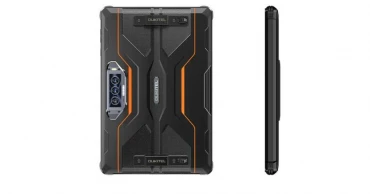
Oukitel RT8 Review: Rugged Tablet with Long Battery Life
Oukitel, the renowned smartphone company that has earned its name building rugged devices, has introduced a rugged tablet, Oukitel RT8. It offers unique features and capacities that are rare in the category. The tablet hit the market in March 2024. Let’s have a look at its specifications.
Key Features of Oukitel RT8
Design
The Oukitel RT8 features a design with an all-glass front protected by Gorilla Glass 5 and a robust "Polymer" housing that feels like a mix between metal and plastic. It is resistant to dust and water, meets IP68/IP69K standards, and can withstand harsh conditions as per MIL-STD-810H compliance.
Measuring 265.1 mm by 176.7 mm by 15.1 mm (10.44 inch by 6.96 inch 0.59 inch), it weighs about 996.7 g (2.20 lb). While heavy for prolonged one-handed use, it has a built-in stand for convenience.
Read more: How to Extend Laptop Battery Life
The right side houses the Type-C USB port, SIM, and SDCard slot, protected by rubber covers. Additionally, it has quad speakers for a rich sound experience, and the screen is TÜV SÜD certified for low blue light, reducing eye strain.
Display
The Oukitel RT8 has an 11-inch IPS LCD screen with a 1200 by 1920 pixels resolution. The screen is protected by Corning Gorilla Glass 5, making it durable and resistant to scratches.
It has 500 nits brightness with a 90 Hz refresh rate. However, a higher refresh rate, brightness, and resolution could make RT8 deliver clearer and sharper images in the outdoor ambiance.
Read more: WGP 10400mAh Mini UPS Review: Revamp of a Reliable Backup Device
The RT8's display covers about 74.9% of the tablet's front, offering a good viewing experience. It also supports capacitive and resistive touch technologies, ensuring the touch screen remains sensitive even when used with gloves or when wet.
Cameras
The Oukitel RT8 features a triple camera setup on the back. It has a 48 MP main camera with an F/1.79 aperture and a wide 79.4° angle, made by Samsung. There's also a 20 MP night vision camera from Sony, with an F/1.8 aperture and a 78.5° field of view, plus a 5 MP macro camera with an F/2.2 aperture and an 83.15° field of view. Despite lacking optical image stabilization (OIS), the photos taken can be quite good, although capturing clear shots can be challenging, especially in low light.
The night vision camera must be enabled manually, which is inconvenient in pitch-black settings. The main camera can record videos at 1440p and 1080p at 30fps.
Read more: realme GT 6 5G Review: Is It a Flagship Killer?
On the front, the RT8 has a 32 MP selfie camera with an F/2.2 aperture and a wide angle, capable of recording 1080p videos at 30fps.
Overall, the camera system is decent but has some limitations, especially in low light and without OIS.
Performance and Hardware
The Oukitel RT8 is powered by the MediaTek Helio G99 6 nm chipset, an octa-core processor clocked at 2.2 GHz. This advanced 6nm technology ensures efficient performance and smooth multitasking.
Read more: Top Home Skincare Devices in Bangladesh: Transform Your Beauty Routine
The tablet runs on Android 13, offering a stock Android experience without any bloatware aside from the "Toolbag" app. However, its user experience might be a bit slow during multitasking, which may dishearten many users.
It has 256GB of internal storage and 6GB of RAM, expandable via a microSDXC card slot. However, a higher RAM capacity could make RT8 deliver better performance. It features UFS 2.2 data transfer technology.
RT8 has no heating issue. It is compatible with entry to moderate-level gaming. The performance of speakers is average.
Read more: Havit M9030 Pro Review: A Competent Mid-range Smartwatch
Connectivity options include reliable Wi-Fi, Bluetooth, and optional LTE support. Benchmark tests showed average performance: GFXBench scored 605.7 frames, Geekbench 6 gave 731 for single-core and 1,984 for multi-core, and AnTuTu scored 390,797.
While the RT8 promises durability and software support is limited to four security updates a year with no upgrade path to Android 14, despite a 24-month warranty.
Battery and Charging
The Oukitel RT8 boasts a massive 20,000mAh battery. It supports 33W fast charging to power up the large battery. Furthermore, RT8 offers a reverse wired charging facility. It allows users to use this tablet as a power bank for charging smartphones.
Read more: Xiaomi Civi 4 Pro Review: A Camera-focused Smartphone with Flagship-level Specs
This combination of long battery life and fast charging makes the RT8 perfect for heavy use and extended periods away from a power source. After 23 hours of moderate use, including benchmarks, taking photos, and watching YouTube videos, the battery only dropped from 96% to 86%. Oukitel claims the battery can last 90 days on standby, 112 hours of calling, 37 hours of music playback, 12 hours of video playback, and 24 hours of gaming.
1 year ago

Xiaomi Civi 4 Pro Review: A Camera-focused Smartphone with Flagship-level Specs
Xiaomi launched the Civi 4 Pro on 21st March exclusively in China. Its global version, the Xiaomi 14 Civi has also been recently launched. The Civi line of smartphones is known for its camera prowess. And as expected, the latest model 4 Pro is also no different. But this time, Xiaomi brought more than just camera upgrades to the table. Let’s take a detailed look.
Key Specs of Xiaomi Civi 4 Pro
Design and Build Quality
The Civi 4 Pro brings a good mix of innovative design with a utilitarian approach. This year, there are seven colorways to choose from, 3 of them being limited edition ones. The large pool of personalization options is backed by premium material. The front features Gorilla Glass Victus 2 protection with a glass back or eco-leather finish depending on the color. The aluminum frame also exudes a premium finish.
The dimensions of the 4 Pro come in at 157.2 by 72.77 by 7.45 to 7.75 mm depending on the back material. The weight also ranges between 177.6 g to 180.9 g. Ports and buttons are in their usual spot without any change from the previous generation.
Read more: Top Home Skincare Devices in Bangladesh: Transform Your Beauty Routine
The Civi 4 Pro, just like its predecessor has a dual camera on the front. The front dual camera is arranged in such a way that it will easily remind anyone of the dynamic island found on the iPhones. Other than this, the design of the 4 Pro is something that stands out among the rest.
The Display
The display on the Civi 4 Pro is a 6.55-inch AMOLED one with a 120 Hz refresh rate, 68B colors, Dolby Vision, and HDR10+ support. The panel also boasts 3000 nits of peak brightness which is more than enough for even the harshest sunlight.
The 4 Pro sees an upgrade in resolution from the Civi 3 as it now comes with 1236 by 2750 pixels resolution and 460 ppi density. The near edge-to-edge display has a 90.4% screen-to-body ratio which is one of the highest among Androids.
Read more: Havit M9030 Pro Review: A Competent Mid-range Smartwatch
In terms of performance, the display on the Civi 4 Pro performed well. It supports a 100% DCI-P3 color gamut for vibrant colors and great contrast. The viewing angles were also sharp which makes this panel one of the best in its price class.
The Camera
Now onto the all-important camera for which the Civi line is so famous. There’s a total of five cameras on the Civi 4 Pro with three on the back and two on the front. The main back camera is a 50 MP, f/1.6, 25mm wide-angle shooter with a 1/1.55’’ sensor size. It’s a Leica Summilux lens which is known for its distinct color tone and consistency. The other two sensors are a 50 MP, f/2.0, 50mm Leica Professional telephoto lens and a 12 MP, f/2.2, 15mm, 120˚ ultrawide lens.
The front features a dual 32 MP sensor. One is a f/2.0 standard lens and the other is a f/2.4 wide angle one.
Read more: realme GT 6 5G Review: Is It a Flagship Killer?
In terms of camera performance, the Civi 4 Pro fixed the greatest gripe with the Civi 3, that is the color reproduction at different zoom levels. The 4 Pro showed consistent color reproduction at ultrawide, standard 1x, 2x, and lossless 4x images. The dynamic range also held pretty well in daylight conditions. The night mode also greatly improved the exposure consistency in images. However, the lens flare still remains an issue.
The front camera can take decent images in both daylight and night environments. The ultrawide lens is a game changer in the sense that most smartphones don’t have a dedicated ultrawide shooter like the Civi 4 Pro.
The videography is rated at 4K@24/30/60fps, 1080p@30/60/120/240/960fps, 720p@1920fps. The videos natively support HDR10+ and 10-bit codecs for smooth playback.
Read more: CCTV Camera Buying Guide and Price Ranges in Bangladesh in 2024
Processor and Performance
The processor on the Civi 4 Pro is the new Qualcomm SM8635 Snapdragon 8s Gen 3 based on a 4 Nm architecture. In use, the 8s Gen 3 performs much like last year's 8 Gen 2 with minor upgrades. The chip design comes in at 1x3.0 GHz Cortex-X4 & 4x2.8 GHz Cortex-A720 & 3x2.0 GHz Cortex-A520 with Adreno 735 GPU.
In terms of gaming performance, there’s a bit of a cost-and-benefit situation. Most games tested on the 4 Pro ran on the highest settings without any stutter. However, the cost of performance was that the device would heat up a lot in prolonged gaming sessions.
Games like Genshin Impact were able to maintain a constant 41.9 fps with a max temperature of around 44 degrees Celsius. PUBG on the other hand recorded a constant 59.7 fps at around 40 degrees Celsius.
Read more: Xiaomi Redmi 13 Review: Does It Carry the Predecessor’s Legacy?
The UFS 4.0 upgraded storage is a welcome addition to the 4 Pro. However, on the flip side, the 4 MB L3 cache might bring some performance issues down the line.
Benchmark
Antutu Score: 1504192Geekbench 5 Score: 1463 (single core); 4678 (multi-core)3D Mark Wild Life Score: 3361
In terms of absolute benchmark scores, the 4 Pro falls short of the Xiaomi 13 featuring an 8 Gen 2, and the Xiaomi 14 featuring an 8 Gen 3 processor.
Software
The software on the Civi 4 Pro is HyperOS based on Android 14. HyperOS is practically a revamped visualization of MIUI with the same old DNA and the same old issues. There are noticeable number of bloatware and the whole UI might feel clunky at times. Google Services are now supported natively though you might have to download it manually. Even then certain Play Store apps didn’t properly run on the OS.
Read more: Motorola Edge 50 Fusion Review: Worth the Hype?
Battery and Charge Time
The battery on the Civi 4 Pro is 4700 mAh. It might seem a bit small for a phone of its size but Xiaomi has included 67W wired fast charging which can take the device up to 100% in just 40 minutes.
Pros and Cons of Xiaomi Civi 4 Pro
Pros
- AMOLED panel with 120 Hz refresh rate - Upgraded camera and post-processing - Front-facing dual camera - Video recording supports HDR10+ and 10-bit codec - UFS 4.0 storage - Great gaming performance - Stereo speakers - Wide range of color options - 67W wired fast charging.
Cons
- The optical zoom lens is limited to just 2x - No card slot or headphone jack - No water protection rating - No wireless charging support- No reverse charging support.
Read more: Samsung Galaxy A15 4G Review: An Efficient Budget-friendly Smartphone
Price of Xiaomi Civi 4 Pro
Xiaomi Civi 4 Pro comes in 12/256 GB, 12/512 GB, and 16/512 GB storage options. The prices of the variants come in at 2799 RMB, 2999 RMB, and 3299 RMB respectively. It roughly translates to around 45288 BDT, 48524 BDT, and 53378 BDT respectively (1 RMB = 16.18 BDT). There’s also Disney Princess Limited Edition and Limited Custom Editions. Both are priced at 3299 RMB.
However, the official price of Xiaomi Civi 4 Pro in Bangladesh may vary due to tax and other issues.
Verdict
The Civi 4 Pro brings some useful updates over last year's Civi 3. The updated design, display, and processor are a testament to Xiaomi’s commitment to positioning the 4 Pro as a top-end mid-range device rivaling flagships. Particularly the improvements in the camera department are a welcome addition.
Read more: Best TWS Earbuds Under Tk 1500: A Detailed Buyer’s Guide
In hindsight, the processor and the OS need more optimization to fully benefit from the display and the processor capabilities. Although priced a bit high, the Xiaomi Civi 4 Pro can easily rival alternatives like Motorola Edge 50 Ultra, realme GT 6, and the Poco F6.
1 year ago

Top Home Skincare Devices in Bangladesh: Transform Your Beauty Routine
Aging is inevitable, but modern beauty technology offers solutions to delay its effects. With busy schedules and the rising costs of professional treatments, finding affordable and effective skincare tools for home use has become essential. In this article, we explore ten must-have beauty devices in Bangladesh in 2024, designed to rejuvenate your skin from the comfort of your home.
Discover Affordable and Effective Beauty Tools for Home Use
Nano Ionic Facial Steamer
The Nano Ion Facial Spa Kit is a must-have for anyone dealing with dry skin, enlarged pores, redness, or acne. Priced around 3000 TK in Bangladesh, this compact and stylish device offers an easy one-button operation and intelligent temperature control to prevent dry burning.
It effectively opens and unclogs pores, deeply cleanses and detoxifies the skin, and promotes blood circulation and metabolism. Allowing essential oils to be added enhances the absorption of skin care products, ensuring your skin gets 100% nutritional care. This spa kit is perfect for achieving a salon-quality facial at home.
Read more: Korean Skincare Routine: 10 Skincare Hacks
4D Roller Firming Lifting Facial Massage Device
The Y Roller Facial and Body Massager is a versatile beauty tool that enhances your skincare routine. It features high-frequency vibration and heating treatments to lift and firm skin and relax facial muscles.
This device also promotes blood circulation, delaying signs of ageing like sagging skin, wrinkles, and pigmentation. It boosts the absorption of creams, serums, and lotions, ensuring maximum hydration and effectiveness. Additionally, it is great for relieving muscle fatigue, and improving skin texture. This device is available at around 3000 TK in Bangladesh.
Portable RF LED Skin Rejuvenation Device
The Facial Rejuvenation Machine, priced around 4500 BDT in Bangladesh, is a portable and rechargeable device that brings quality skincare to your home, car, or office. Combining colour light therapy, radio frequency, and electrical stimulation, this device invigorates collagen production, smooths wrinkles, increases skin elasticity, and soothes flare-ups.
The device features seven different modes to cater to all skin types, reducing excessive oil and build-up while renewing your natural glow. Its ergonomic design ensures comfortable use, making it an essential tool for comprehensive facial rejuvenation.
Read more: 10 Post- Pregnancy Skincare Tips: Get Your Glow Back
Jade Roller & Gua Sha Massage Tool
The Jade Roller Set, made from quartz stone, offers multiple skin benefits. Its ultra-smooth surface ensures gentle massage without scratching the skin. Regular use promotes blood circulation, reduces wrinkles, and enhances the absorption of skincare products, making the skin look brighter and healthier.
The set includes a durable stand and a gua sha stone, both easy to use and clean. Ideal for massaging the face, neck, and body, this set is priced at around 1500 BDT in Bangladesh, providing an affordable, natural skincare solution.
EMS Vibration Facial Massager and Skin Lifting LED Therapy
The EMS Vibration Skin Lifting LED Therapy Neck and Facial Massager, priced around 3000 BDT in Bangladesh, is an advanced skincare tool designed to achieve a sculpted, youthful appearance. Combining vibration massage, EMS microcurrents, and LED light therapy, it tightens skin, reduces wrinkles, and boosts collagen production.
The 45 ±5℃ heat function enhances skincare absorption, while the three-colour LED modes target different skin issues: blue for collagen synthesis, green for improving circulation, and red for boosting cell vitality. With high-frequency vibration at 7000 times/min, this massager promotes blood flow and metabolism, making it ideal for all skin types.
Read more: Collagen Supplements: Benefits, Side Effects, Dosage
LED Photon Therapy Neck and Facial Lifting Massager Device
The LED Facial Neck Massager is a portable handheld device designed to rejuvenate your skin on the face and neck, producing long-lasting results. Daily use reduces wrinkles, diminishes blemishes, and improves overall skin texture.
Ideal for those starting to notice signs of ageing, this massager helps make your skin smoother and firmer while reducing acne scars and wrinkles. It is the top skincare device for achieving a youthful look. Priced at around 4000 BDT in Bangladesh, it offers a comprehensive solution for maintaining healthy, radiant skin.
Ice Globes-Cryotherapy Facial Massage Roller
The Cryo Ice Tools are an affordable and effective solution for achieving flawless skin.
Ice Globes are made from different materials like plastic, durable 304 stainless steel, cooling glass, etc. Depending on the material, its price starts from around 200 BDT in Bangladesh.
Read more: 14 Top Anti-aging Foods to Look Younger
These ice globes help to reduce puffiness, improve circulation, and relieve facial muscle and jaw pain.
Safe to use and easy to clean, they help eliminate fine lines, tighten skin, and stimulate collagen production. With colourful removable protection handles and a travel-friendly design, these ice globes make a thoughtful and practical gift for both men and women.
Rechargeable Vacuum Pimple/Blackhead Suction Pore Cleaner
The Multifunctional Blackhead Suction Machine is a powerful tool for deep facial cleaning. It effectively removes blackheads, acne, dirt, and dead skin, enhancing skin vitality and elasticity.
With several suction levels, it caters to different skin types and conditions, ensuring a thorough, safe, and painless experience. Usually, the kit includes a rechargeable battery and an LED display for easy use. Ideal for daily skincare, this device promotes youthful, radiant skin.
Read more: Where to learn modelling, grooming in Dhaka?
The price range of pimple/Blackhead cleaner devices starts from around 700 Taka in Bangladesh.
Electronic Ultrasonic Aromatherapy Air Humidifier Diffuser with LED Light
The Ultrasonic Cool Mist Humidifier offers instant relief from dry air using advanced technology. It can provide several hours of continuous operation. It features high and low-speed settings with a mist nozzle to maintain optimal humidity levels year-round, alleviating cold-like symptoms and sinus issues.
The kit includes a water tank (around 200ml) that ensures sufficient coverage for medium-sized rooms. Additionally, it includes a soothing night light option and auto shut-off function for safety when water levels are low or the tank is removed, making it a reliable choice for improving air quality and promoting better sleep.
Read more: How Can Shampoo Damage Your Hair? How to Prevent It?
Depending on specific brands, this device costs around 2000 to 4000 BDT in Bangladesh.
Skin Rejuvenation Photon Therapy LED Light Neck Beauty Mask
The Facial LED Mask utilises photon therapy with specific light wavelengths to effectively treat various skin conditions. This device offers multiple benefits. The mask features different colour lights such as red for anti-ageing, blue for acne treatment, and green for skin balance.
It also includes yellow for reducing redness, cyan for soothing skin, purple for anti-acne, and white for overall cell rejuvenation. This versatile mask promotes collagen production, improves skin texture, and enhances overall skin health.
Depending on the manufacturing brand, light-colour options, and features, the price of a photon therapy mask varies. The price starts from around 1650 taka in Bangladesh.
Read more: Fairness Creams: Dangerous Side effects of Skin Whitening Beauty Products
Rechargeable Eye Massager Beauty Device
Rechargeable Eye Massager is a versatile device designed to revitalise the eye area effectively. It uses EMS microcurrent vibration massage to reduce eye strain, puffiness, and dark circles while improving skin elasticity and blood circulation.
Featuring smart sensing technology and seven colourful lights for a stylish touch, it promotes relaxation and enhances sleep quality with soothing heat and gentle vibrations. The rechargeable battery ensures convenience with fast charging and long-lasting use, making it a practical and rejuvenating addition to any skincare routine for brighter, more youthful-looking eyes.
The price of Rechargeable Eye Massagers starts from around 1700 BDT in Bangladesh.
Read more: Is Your Lipstick Slowly Killing You?
In Summary
The availability of advanced beauty and skincare tools has made it easier than ever to maintain a youthful and radiant appearance from the comfort of your home. By investing in these devices, you can enjoy professional-grade treatments without the hassle and expense of frequent salon visits. Always follow the provided instructions before using any skincare device, and choose products based on your specific skin needs and concerns. The prices of these devices vary based on quality, features, and brand reputation, making it easier to find a tool that fits your budget and needs.
Embrace these innovative beauty tools and devices to ensure your skin receives the care it deserves, transforming your home beauty routine into an enjoyable and effective experience. Whether you're looking to combat ageing signs, improve skin texture, or simply maintain a healthy glow, these home skincare devices offer a convenient and efficient solution for all your skincare needs.
Read more: How to Keep Your Skin Healthy During Monsoon
1 year ago
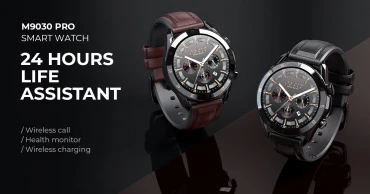
Havit M9030 Pro Review: A Competent Mid-range Smartwatch
Havit is a renowned smartwatch manufacturing company. It has earned its name by offering a range of quality smartwatches. Ranging from budget-friendly to high-end, Havit produces smartwatches under diverse categories. Currently, the Havit M9030 Pro smartwatch is officially available in Bangladesh. Let’s dig deeper into the features of the smartwatch.
Specs of Havit M9030 Pro Smartwatch
Design
The Havit M9030 Pro is a round smartwatch with a black alloy zinc frame. It has two buttons on the right side. The top button, called the crown wheel, and the bottom button activate sport mode. The watch uses wireless charging, so there is no charging port.
All necessary sensors are located in the center of the back, and there is also a microphone port for Bluetooth calling. The strap combines both silicone and leather materials, providing durability and comfort. The watch features a glossy finish, giving it a smart look.
Its Wristband length is about 266mm; while the Wristband width is about 22mm. It weighs about 59 grams. However, some users may find it a bit bulky. A sleek design with a lighter body could make the M9030 Pro a better deal.
Read more: Xinji Cobee CA1 Review: Waterproof Smartwatch to Monitor Health and Fitness
The combination of materials and design elements makes the Havit M9030 Pro sturdy and functional for various activities. The wireless charging and Bluetooth calling capabilities add to the overall standard of the phone.
The Havit M9030 Pro smartwatch is blessed with IP68 waterproof technology, providing basic to mid-level resistance to dust and water.
1 year ago
realme GT 6 5G Review: Is It a Flagship Killer?
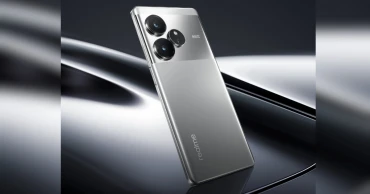
The youth-focused brand realme’s GT series smartphones are mainly built for virtual gaming. Last year, the GT 5 became popular for its futuristic design and features. This year, GT 6, a new addition to the GT series was launched on 25th June with a more refined and minimal design and even more specs bump. Let’s take a detailed look at the features of realme GT 6 5G to see whether it can rival the flagships of the Android world.
Key Specifications of realme GT 6 5G
Design and Build Quality
The GT line from realme was always known for its design and sturdy build. realme however took a more toned-down approach this year with a frosted glass back, an iPhone look-alike camera system, and a mirror visor to house the large sensors. It’s like a minimal homage to a design language that is every bit Realme.
The dimensions of the device come in at 162 by 75.1 by 8.65 mm with an effective weight of 199 g. The front glass is protected by Gorilla Glass Victus 2. This device bears a plastic panel. Its structure is also built with a plastic frame. The curved angle on both the front and the back makes the device even slimmer than it already is.
Read more: CCTV Camera Buying Guide and Price Ranges in Bangladesh in 2024
Ports and buttons are all in their usual space. The chamfered edges provide a good grip in an otherwise slippery and fingerprint magnet back. The GT 6 also comes with IP65 water and dustproofing for protection against accidental splashes. The two color options for this year’s GT are Razon Green and Fluid Silver.
The Display
The display on the GT 6 is a 6.78-inch LTPO AMOLED panel with stacked features. Users will be getting 1B colors, 120Hz refresh rate, HDR 10+ support, and Dolby Vision. The typical brightness of the panel is around 1000 nits with 1600 nits of HBM and a stunning 6000 nits of peak brightness. Overall, it’s a larger and brighter panel compared to the outgoing GT 5.
The effective resolution of the panel comes in at 1264 by 2780 pixels making for a 450 ppi density. The near bezel-less curved panel has a screen-to-body ratio of 94.2% which is one of the highest in the industry. Additional specs include a 5000000:1 contrast ratio and 100% DCI-P3 color gamut support.
Read more: Xiaomi Redmi 13 Review: Does It Carry the Predecessor’s Legacy?
As for the performance of the panel itself, there’s no room for complaints. The 120 Hz makes everything super smooth. No doubt, the GT 6 is going to be a great device for content consumption.
The Camera
There is a triple camera sensor on the GT 6. The main camera is a 50 MP Sony LYT 808 sensor with f/1.69 aperture, 1/1.4 inch sensor, and an 85-degree field of view. The second sensor is a 50 MP Samsung JN5 2x telephoto lens with f/2.0 aperture and 1/ 2.8 inch sensor size. And the last one is an 8 MP Sony IMX355 ultrawide sensor with f/2.2 aperture and a 1/4 inch sensor size.
The front features a 32 MP Sony IMX615 sensor with f/2.45 aperture.
Read more: Motorola Edge 50 Fusion Review: Worth the Hype?
The camera specs are a huge bump up from the GT 5 as it now includes an improved ultrawide and a new telephoto lens. In terms of performance, the details are on point with a balanced dynamic range. The ultrawide however didn’t capture as sharp images as the main wide-angle sensor. The colors were natural with a slight hint of warm tones in them.
The night photography and the portrait shots will also impress you with the exposure and details. The selfie camera, while being a tad soft with the images, still produced social media-ready images.
The videography on the GT 6 is rated at 4K@30/60fps, 1080p@30/60/120/240fps thanks to the OIS and gyro-EIS. The stabilization and smooth capture allowed for decent videography out of the GT 6.
Read more: Samsung Galaxy A15 4G Review: An Efficient Budget-friendly Smartphone
We’d put the camera performance on par if not better than much higher-priced alternatives like the Xiaomi 14 Civi and the Motorola Edge 50 Ultra.
Processor and Performance
The processor on the realme GT 6 is the new Qualcomm SM8635 Snapdragon 8s Gen 3 based on 4 Nm architecture. The processor has a chip design of 1x3.0 GHz Cortex-X4 & 4x2.8 GHz Cortex-A720 & 3x2.0 GHz Cortex-A520 with Adreno 735 GPU.
The GT 6 provides the best overall performance and stability among all the other devices using the new 8s Gen 3 processor. Games like COD could be played with max settings at a constant 120 fps. Genshin impact recorded around 60 fps and Warzone clocked at 50 fps. The 8s Gen 3 now supports ray tracing so games like War Thunder can be played with added immersive experience. In our test, the ray tracing worked perfectly without any stutter whatsoever.
Read more: Best TWS Earbuds Under Tk 1500: A Detailed Buyer’s Guide
The device clocks around 44 degrees Celsius when pushed with gaming. But it’s not much compared to the 8s Gen 3 on the Xiaomi 14 Civi.
Benchmark Score
Antutu: 1532192Geekbench 6: 1900 (single core); 4789 (multi-core)Antutu Storage: 1949403D Mark Wild Life Extreme: 3115
Software
The GT6 is running on realme UI 5.0 based on Android 14. realme committed to a 3-year major software update and 4 years of security patches. In essence, the UI is a mixed bag of ColorOS and OxygenOS. Additional AI features like Smart Loop and Screen Recognition added more depth to the OS.
Read more: Symphony Helio 50 Review: A budget smartphone within BDT 15000
Battery and Charge Time
The GT 6 is powered by a 5500 mAh battery. It supports a 120W wired SUPERVOOC charging system. realme claims it can go from 1 to 50% in 10 mins and fully charge in 28 mins.
Pros and Cons of realme GT 6
Pros
- Vibrant 120 Hz LTPO panel - 6000 nits of peak brightness- 4K video recording- UFS 4.0 overclocked storage - Super-fast charging - 5G support- IR blaster - Software stability - New AI features.
Read more: vivo iQoo Z9 Turbo Review: New Contender in Mid-Budget Range
Cons
- Rear panel is made of plastic- Built with plastic frame- No headphone jack- Subpar ultrawide and telephoto camera - No expandable storage option - No wireless charging support - No reverse charging support.
Price of realme GT 6 5G
The realme GT 6 is available in 8/256 GB, 12/256 GB, and 16/512 GB storage options. The price of the variants are 40,999 INR 42,999 INR and 44,999 INR. It roughly translates to around 57,772 BDT, 60,590 BDT, and 63,409 BDT at the current exchange rate (1 INR = 1.41 BDT).
However, the official price of realme GT 6 in Bangladesh may vary due to tax and other issues.
Read more: Top Smart TV Picks for 2024: Ultimate Buyer’s Guide in Bangladesh
Verdict
The GT 6 makes some impressive improvements in design, processor, camera, and even display compared to the GT 5. In terms of real-world performance, the GT 6 excels compared to its higher-tier competitors like the Xiaomi 14 Civi and the Motorola Edge 50 Ultra.
However, there is still room for developments in the telephoto and the ultrawide camera performance. Nowadays many budget-friendly phones are offering glass-made rear panels and aluminum frame constructions. So, the GT 6 phone falls short in this section. Besides, the lack of headphone jack, reverse, and wireless charging may disappoint many users.
On the whole, the realme GT 6 5G can be best described as a gaming flagship killer with minor shortcomings. It’ll be a perfect grab for those looking for a flagship experience in gaming smartphones without breaking the bank.
Read more: Benco V90 Plus Review: A Worthy New Contender in the Budget Smartphone Market
1 year ago
CCTV Camera Buying Guide and Price Ranges in Bangladesh in 2024
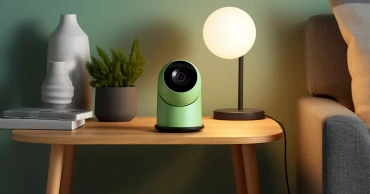
CCTV or Close Circuit Television cameras have become a handy gadget today. Whether it's to deter theft, or crime or ensure business security, CCTV cameras can make the job much easier for general people, business owners as well as law enforcement authorities. Some may even install CCTV to keep a check on their beloved children, pets, or elderly people at home.
But with so many choices in the market, it becomes difficult to choose the right CCTV that will best fit your needs. To make things easier, we have compiled a list of the best CCTV cameras at different price ranges and a comprehensive checklist of things you should consider before getting one.
Things to Consider Before Buying a CCTV Camera
There are several things to consider before buying a CCTV camera from types to usage. Here’s a list of absolute musts that you should look into first.
Types
Diverse types of CCTV cameras are found in the market depending on their size, shape, connection mechanism, and use cases. The most common types of CCTV cameras include
- Dome cameras - Bullet cameras - Turret cameras - Pan-Tilt-Zoom cameras - Box cameras - IP cameras - Night vision cameras.
Read more: Best TWS Earbuds Under Tk 1500: A Detailed Buyer’s Guide
Purpose and Requirement
The next thing you should consider is the purpose of your CCTV camera. Do you want a CCTV camera for security purposes? Or do you want to monitor a kid or a pet? Do you plan to use it outdoors or indoors?
For outdoor use, Bullet and PTZ cameras are best suited. For indoors, a dual communication IP camera can be a perfect choice as you can easily monitor activities through the included app.
Camera Features
In terms of camera features, the first thing you should consider is the picture resolution. Most CCTV comes in either 720P or 1080P resolution. High-end expensive cameras can record at up to 4K.
If you plan to use a single camera, consider going for PTZ and Turret-type cameras. For indoors, consider cameras that have dual communication features. For outdoor use, consider getting cameras with water protection rating and night vision.
Read more: Home Air Conditioner Buyer Guide 2024: Everything You Need to Know
Storage Option
Most CCTV cameras come with dedicated storage between 256 to 512 GB. Some IP cameras offer cloud storage options. If you plan on saving a few bucks, consider getting the IP cameras that provide free unlimited cloud storage options. Otherwise, you may have to sign up for a cloud storage subscription.
Connectivity
You also have a host of choices in terms of connectivity. There are wired as well as wireless CCTV cameras. IP camera from Xiaomi also has a multi-point connection system where it can work with Amazon or Google Home services.
Depending on your budget, you can also consider a traditional power adapter, battery-powered, or power over ethernet at an incremental order.
Installation and Maintenance
While most CCTV cameras today are made for DIY installations, you might consider setting it somewhere that might require a professional hand. Some vendors offer installation services so consider checking the options.
Also, consider reading up on the use and maintenance guidelines to make sure your CCTV camera lasts a long time.
Read more: Mist Fan Buyer Guide and Price Ranges in Bangladesh for 2024
1 year ago

Xiaomi Redmi 13 Review: Does It Carry the Predecessor’s Legacy?
The tech brand Xiaomi produces smartphones under diverse categories ranging from entry-level to flagship. The Redmi series phones are targeted for the budget-friendly segment. Redmi phones have gained huge popularity in the Bangladeshi market for their value-for-money features. Xiaomi has recently launched the Redmi 13. Featured with standard functionalities, the phone follows its predecessor’s design and build quality. But can it hold the legacy in performance? Let’s dive deep into the features, pros, cons, and price of Xiaomi Redmi 13.
Specs and Features of Xiaomi Redmi 13
Design
Like its predecessors, the Xiaomi Redmi 13 has come with another sleek and simple design. It measures 168.6 mm in height, 76.3 mm in width, and 8.3 mm in thickness. The weight is 205 grams.
The front and rear panels are made of glass. While the structure is built with a polycarbonate plastic frame. The phone comes in four colours: Midnight Black, Sandy Gold, Pearl Pink, and Ocean Blue. It has a hybrid dual SIM slot, allowing two Nano-SIM cards. The phone is IP53 rated, meaning it is dust and splash-resistant.
Read more: Symphony Helio 50 Review: A budget smartphone within BDT 15000
The back has a minimal design with a dual camera setup. The phone has an IR blaster, but it does not have secondary noise cancellation on the back.
The speaker quality is good. But in this price range, the manufacturer could provide a stereo speaker.
Display
The phone has a 6.79-inch FHD+ DotDisplay. The screen resolution is 2460 by 1080 pixels, which gives a pixel density of 396 ppi. The display type is an IPS LCD and can refresh at a rate of up to 90Hz. This makes movements on the screen look smooth.
Read more: Benco V90 Plus Review: A Worthy New Contender in the Budget Smartphone Market
The typical brightness of the screen is 450 nits, but it can reach 550 nits in High Brightness Mode (HBM). However, under direct sunlight, users may experience some difficulties. The provision of a higher brightness could make it easier to see in bright light.
The screen is protected by Corning Gorilla Glass, which helps prevent scratches. However, its thick bezels may disappoint some users.
The display has several special features. It includes a Reading Mode, which reduces blue light to make reading easier on the eyes. The display is TÜV Rheinland Low Blue Light (Hardware Solution) certified, which means it reduces blue light exposure. It is also certified by TÜV Rheinland Circadian Friendly and Flicker-Free, helping reduce eye strain. Additionally, the screen uses DC dimming technology to adjust brightness smoothly.
It has Widevine L1 support which allows viewing of Netflix and other OTT contents at full HD graphics.
Read more: vivo Y18 Review: A Budget-friendly Phone with Standard Features
Cameras
In the camera section of Redmi 13, Xiaomi has brought significant changes. The ancestor Redmi 12 offered a 50 MP main sensor. While its selfie shooter was an 8MP camera.
The latest version Redmi 13 has two rear cameras. The main camera is a 108-megapixel Samsung ISOCELL HM6 sensor with an f/1.75 aperture. This means it can take very detailed and clear photos. It has a 6P lens and can focus automatically.
The second camera is a 2-megapixel macro shooter, used for taking close-up photos, also known as macro shots. It has an f/2.4 aperture. However, Redmi 12's 8MP ultra-wide camera is missing in the Redmi 13 model.
Read more: 2024 DSLR Camera Buying Guide: Prices and Top Picks in Bangladesh
The rear cameras come with features like LED flash and HDR mode, which helps to take better photos in different lighting conditions. The images captured by the rear sensors offer enough sharpness and detail without boosting extra colours or aggressing smoothing. The image quality is quite satisfactory considering its price range. The night mode allows for capturing good-quality images in low-light conditions.
The cameras can record HD videos at 1080p and 720p, both at 30 frames per second.
The front camera has 13 megapixels with an f/2.45 aperture, which is good for selfies. It also has HDR mode and can record HD videos at 1080p and 720p at 30 frames per second. The front camera includes a soft-light ring to improve lighting for selfies and has modes like portrait and time-lapse.
Read more: Top Smart TV Picks for 2024: Ultimate Buyer’s Guide in Bangladesh
Performance and Hardware
The Xiaomi Redmi 13 runs on Android 14 with HyperOS. It has a MediaTek Helio G91 Ultra processor built on a 12nm process. The octa-core processor has 2 Cortex-A75 cores at 2.0 GHz and 6 Cortex-A55 cores at 1.8 GHz. The graphics processing unit (GPU) is a Mali-G52 MC2, which handles graphics and games.
It comes in three configurations: 6GB of RAM with 128GB of storage, 8GB of RAM with 128GB of storage, and 8GB of RAM with 256GB of storage. If you need more space, you can add a memory card up to 1TB.
For memory, the phone uses LPDDR4X RAM and eMMC 5.1 storage. However, the provision of the UFS 2.2 data transfer technology could make Redmi 13 performance better.
Read more: Motorola Edge 50 Fusion Review: Worth the Hype?
The operating system and pre-installed apps use some of the storage and RAM, so the actual available memory will be a bit less. However, this phone is not free from ads and bloatware. The manufacturer promises two years of Android updates and 3-years of security updates which are praiseworthy.
Overall, the phone offers smooth performance for day-to-day light tasks. For gaming, you can play multiplayer games like PUBG at ultra-frame without significant frame drops. The heating issue is moderate like any other budget-friendly device.
Battery and Charger
The phone has a 5030mAh non-removable battery. It supports 33W fast charging through a USB Type-C port. This means the battery can charge quickly when using a compatible 33W charger. On average use, the phone can run for a day on a single full charge.
Read more: Best TWS Earbuds Under Tk 1500: A Detailed Buyer’s Guide
Pros and Cons of The Xiaomi Redmi 13
Pros
- Glass-made back panel - Standard battery with fast charging- Android 14 OS with HyperOS UI- Side-mounted fingerprint scanner- Includes audio jack- NFC and infrared port support- FHD IPS LCD with 90Hz refresh rate- IP53 dust and splash resistance- Corning Gorilla Glass protection.
Read more: vivo iQoo Z9 Turbo Review: New Contender in Mid-Budget Range
Cons
- No reverse or wireless charging- Lacks 5G support- Average camera setup- No 4K video recording- Missing Gyro-EIS support- Not suitable for high-end gaming or multitasking- Uses a shared microSDXC card slot.
Official Price of Xiaomi Redmi 13 in Bangladesh
The phone is available in two variations. The 6/128GB variant is available at BDT 17,999, and the 8/128GB variant is available at BDT 18,999. However, the price is subject to change.
Read more: Honor Pad 9 Tablet: Is It Worth Buying?
Conclusion
Redmi 13 comes with notable features like a glass-bullet rear panel, a standard battery, fast charging, smooth navigation, and a vibrant FHD+ display with a 90Hz refresh rate. Furthermore, it boasts a robust design with IP53 dust, splash resistance, and Corning Gorilla Glass protection. The camera setup, though average, includes a high-resolution main sensor and useful modes. Powered by Android 14 with HyperOS on a MediaTek Helio G91 Ultra processor, it ensures smooth performance for everyday tasks.
However, the absence of wireless charging, 5G support, stereo speakers, and certain camera features might be limitations for some users.
On the whole, the Xiaomi Redmi 13 offers a balanced package under the 20000 Taka price range. Those looking for a budget-friendly device for regular tasks can consider this phone.
Read more: Samsung Galaxy A15 4G Review: An Efficient Budget-friendly Smartphone
1 year ago
Motorola Edge 50 Fusion Review: Worth the Hype?
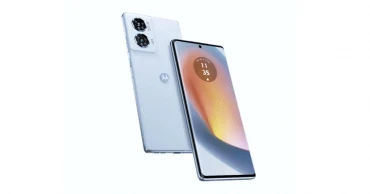
If you are looking for a stylish phone at an affordable price, don’t miss this review. The Motorola Edge Series is known for large, bold, and feature-oriented phones. Edge 50 Fusion is the latest edition to this line-up. Released on May 15, 2024, it created a hype in the market. Let's look at the features, pros, cons, and price of the Motorola Moto Edge 50 Fusion in Bangladesh.
Key Specs of Motorola Moto Edge 50 Fusion
Design
On first look, the phone’s slim design will steal your attention. It has a punch-hole camera on the front with a symmetrical bezel.
With dimensions of 6.37 inch by 2.88 inch by 0.31 inch Edge 50 Fusion weighs about 174.9g. It features a glass front, plastic frame built structure with a silicone polymer back.
It sports IP68 dust and water resistance up to 30 metres which is a blessing for professionals as well as outdoor enthusiasts. Moreover, it includes Dolby Atmos stereo speakers that facilitate good sound quality.
Read more: Best T20 Cricket Games for Android, and iOS in 2024
However, it lacks a 3.5mm headphone jack.
Display
Edge 50 Fusion comes with a 6.7-inch P-OLED screen protected by Corning Gorilla Glass 5. It has 1080 by 2400 pixels resolution. Its international variant offers a 144Hz refresh rate at maximum. The high refresh rate enhances the smooth operation of this smartphone. However, for some apps, it runs with a 90 to 120Hz refresh rate.
The 1600 nits peak brightness makes this Smartphone handy for people who stay outdoors long hours for work or travelling purposes.
Furthermore, Edge 50 Fusion is provided with a 360Hz touch sampling rate. This will ensure a good touch response and facilitate a better experience during gaming. What is more, this device has Widevine L1 DRM certification that allows FullHD streams of OTT apps like Netflix. However, it lacks HDR10+ support.
Read more: Samsung Galaxy A15 4G Review: An Efficient Budget-friendly Smartphone
While watching YouTube videos at 4k resolution frame drops may occur which is understandable for a budget-friendly smartphone.
Hardware and Software
Moto Edge 50 Fusion’s international variant is blessed with a Snapdragon 7s Gen 2 (4 nm) chipset. With a maximum of 2.40 GHz of clock speed, its 8-core processor is combined with Adreno 710 GPU. It runs on Android 14.
The manufacturer offers three years of Android version upgrades and four years of security updates for this phone which are praiseworthy.
With 8 to 12 GB RAM capacity, its internal storage ranges from 128 to 512GB. UFS 2.2 data transfer technology has been used in this device. However, at this price range, many competitors are offering higher storage interfaces.
Read more: Best TWS Earbuds Under Tk 1500: A Detailed Buyer’s Guide
You can play multiplayer games like PUBG, Call of Duty, etc on this device. The highest graphics can be played at 30fps while the lowest graphics can run at 60fps.
Like any other budget-friendly device, this phone catches some heat during hours of usage and gaming. However, its slick design prevents overheating and throttling issues during gaming.
It can nicely handle multitasking and regular day-to-day tasks.
Camera
On the rear panel, Edge 50 Fusion holds its prime shooter featuring a 50 MP (f/1.9) wide lens. The secondary rear camera is a 13 MP (f/2.2) 120-degree ultra-wide lens. It can capture panoramic views.
Read more: Symphony Helio 50 Review: A budget smartphone within BDT 15000
The detailing and dynamic ranges of its captured images are good. However, in some cases, photos show over-sharpness, contrasting issues, and warm tones. Its auto-focusing works well. At low light conditions, the night mode allows satisfactory images.
On the front side, the Moto Edge 50 Fusion bears a 32MP (f/2.5) selfie shooter. In proper lighting conditions, it can capture nice portraits, if functions are utilised properly.
Both the rear and front cameras can shoot a maximum of 4K footage at 30FPS. The gyro-EIS feature is available for rear shooters only.
Battery and Charging
Edge 50 Fusion is powered by a 5000 mAh battery. It can charge about 50% within 15 minutes through a 68W wired charging. It can deliver 6 to 7 hours of SOT. So, on moderate use, it can run for a day.
Read more: vivo iQoo Z9 Turbo Review: New Contender in Mid-Budget Range
Pros and Cons of Moto Edge 50 Fusion
Pros
- Lightweight and slim design- Standard Display- High refresh rate- Adequate brightness- Good charging speeds- Powerful RAM and Processor.
Cons
- No 3.5mm headphone jack- No HDR10+ support- No Wireless or Reverse Charging Support- Selfie camera bugs- Outdated storage interface- No Gyro-EIS support in Front shooter- Lacks 60fps option for 4K video capturing- Average haptic feedback.
Read more: Top Smart TV Picks for 2024: Ultimate Buyer’s Guide in Bangladesh
Price of the Moto Edge 50 Fusion in Bangladesh
Moto Edge 50 Fusion’s 8/128 version is available in Bangladesh for around 32000 Taka. However, the price is subject to change.
Verdict
Moto Edge 50 Fusion offers a nice package for around 30000 Taka. It can be a nice pick for those looking for a reliable smartphone with an attractive look, quality display, standard camera, and good battery backup. However, the provision of 4K video capacity at 60fps, HDR10+ support, a 3.5mm headphone jack, and better haptic feedback could make the Motorola Moto Edge 50 Fusion a better deal.
Read more: 2024 DSLR Camera Buying Guide: Prices and Top Picks in Bangladesh
1 year ago